Reduced Bleeding
Laser energy seals many small blood vessels during soft-tissue procedures.
THE DENTAL INN
The Smile You Desire and the Experience You Deserve
THE DENTAL INNAdvanced Dental Care
Book Consultation
Minimally Invasive Dentistry
Dental lasers use focused light energy to perform selected soft-tissue and dental procedures with precision, controlled bleeding, and a comfortable healing profile when clinically indicated.
Treatment Overview
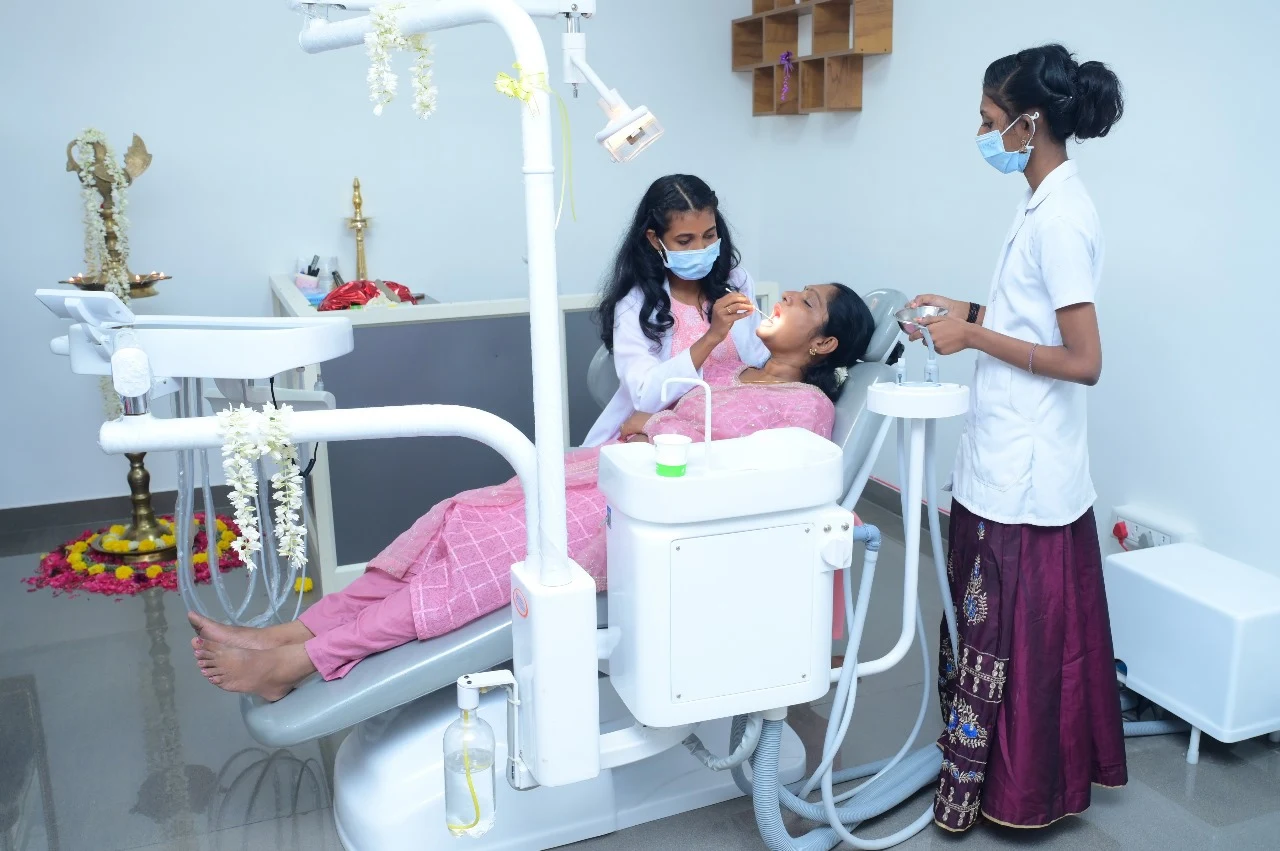
Laser dentistry is used as an adjunct or alternative to conventional instruments in carefully selected cases. Soft-tissue lasers can cut, contour, or vaporize tissue while sealing small blood vessels, which often reduces bleeding and improves visibility during treatment.
Common applications include gum contouring, frenectomy, management of overgrown gum tissue, exposure of partially covered teeth, laser-assisted periodontal procedures, and selected ulcer or soft-tissue care.
Laser energy seals many small blood vessels during soft-tissue procedures.
Focused energy allows controlled tissue removal with careful margin refinement.
Many soft-tissue laser procedures have less swelling and a smoother early healing phase.
When suitable, lasers can reduce the need for sutures and extensive tissue handling.
Procedure Timeline
The dentist examines the tissues, identifies the indication, reviews medical history, and confirms whether laser treatment is appropriate.
The laser type, settings, anesthesia needs, and tissue contour or removal plan are selected for the specific procedure.
Protective eyewear is used. Local anesthesia may be given depending on the site and extent of treatment.
The laser is applied in controlled passes to contour, remove, or decontaminate the target tissue while limiting trauma to nearby areas.
The area is reviewed to check tissue response, comfort, oral hygiene, and whether additional care is required.
Keep the area clean, avoid spicy or very hot foods initially, and follow any rinsing or medication instructions provided by the dentist.
A light surface layer or color change can appear during healing. Do not pick at the area, and avoid trauma from hard foods.
Contact the clinic if bleeding persists, swelling increases, pain worsens, or the treated area feels irritated beyond the expected healing period.
FAQ
Lasers can provide precise soft-tissue treatment, reduced bleeding, and improved visibility when the case is suitable.
Comfort depends on the procedure and tissue involved. Local anesthesia may still be used, but many laser procedures are associated with reduced postoperative discomfort.
Yes, when performed by trained clinicians using correct settings, protective eyewear, and appropriate case selection.
No. Lasers are useful for selected procedures, especially soft-tissue care, but conventional instruments are still required for many treatments.
Personalized Dental Excellence